
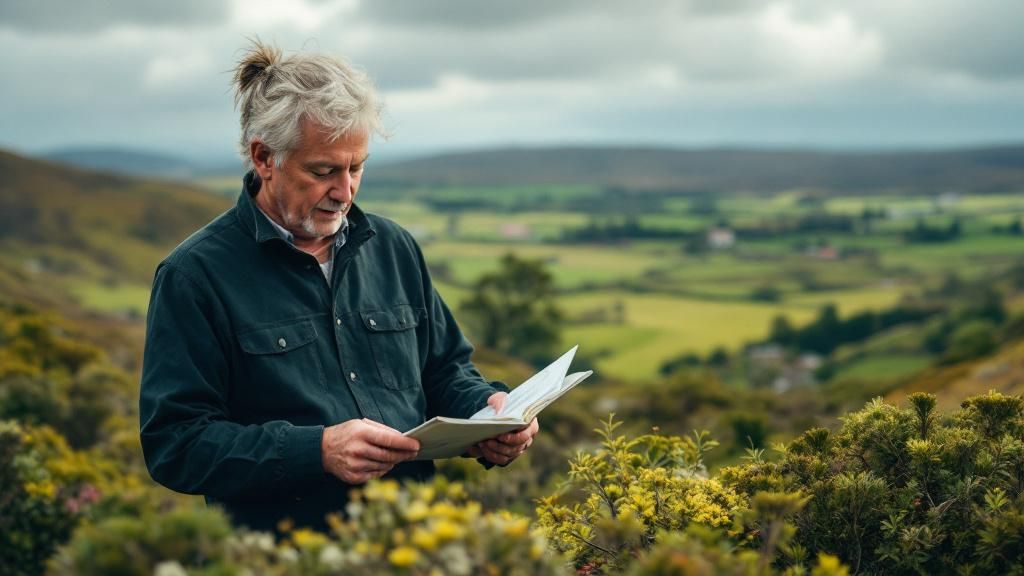
As globalisation threatens language variety across the British Isles, cultural language schemes have emerged as vital lifelines for Scotland’s Gaelic and Wales’s Welsh forms. These initiatives, integrating structured teaching with local participation, are reversing decades of decline and reviving community identity amongst the next generation. This article investigates how dedicated educators and passionate communities are protecting these historic Celtic languages, assessing proven approaches, their quantifiable influence on numbers of speakers, and the wider significance for maintaining the nation’s language legacy.
The Importance of Gaelic and Welsh Conservation
The Celtic tongues of Scotland and Wales represent irreplaceable repositories of cultural heritage, historical knowledge, and linguistic variety. These ancient tongues contain centuries of tradition, folklore, and distinctive worldviews that cannot be properly conveyed into English. In the absence of dedicated preservation initiatives, the disappearance of Gaelic and Welsh would diminish not only Scotland and Wales but the entire cultural landscape of the British Isles. Heritage language initiatives thus function as vital custodians of this invaluable linguistic legacy.
Beyond cultural importance, preserving Celtic dialects offers significant cognitive and social benefits to speakers and communities alike. Research shows that bilingualism enhances cognitive flexibility, problem-solving skills, and academic performance amongst young learners. Furthermore, these languages strengthen community bonds and foster feelings of connection amongst speakers. By supporting heritage language programmes, Scotland and Wales are not merely preserving historical artefacts; they are nurturing vibrant, living languages that enhance the experience of contemporary speakers and future generations.
Present Heritage Language Programmes in Scotland
Scotland’s approach to Gaelic protection has evolved significantly over recent years, with several cultural language projects now operating across the country. The Gaelic Medium Education (GME) initiative functions as a cornerstone of these initiatives, delivering in-depth learning through the language of Gaelic from primary through secondary education. Supporting traditional education, local community groups such as Sabhal Mòr Ostaig and local Gaelic societies offer adult learning opportunities and cultural programmes that strengthen linguistic competence and foster passing down between generations of the language.
Beyond traditional classroom settings, digital platforms and media initiatives have transformed access to Gaelic learning resources. BBC Alba, Scotland’s Gaelic-language television channel, broadcasts learning material alongside entertainment, whilst online courses and mobile applications enable learners to study at their own pace. These diverse initiatives collectively demonstrate Scotland’s commitment to reversing Gaelic’s historical decline, establishing opportunities for speakers of all ages to engage with their heritage language and take part in Scotland’s thriving Gaelic-speaking community.
Welsh Language Restoration Initiatives
Wales has introduced wide-ranging language revitalisation strategies that have markedly grown Welsh speaker numbers in recent decades. The Welsh Government’s focus on learning-focused measures, encompassing mandatory Welsh immersion schooling and bilingual curriculum development, has developed a generation of fluent speakers. These programmes emphasise immersion during early childhood, recognising that foundational language learning during formative years yields the most lasting outcomes for ongoing speaker preservation and cultural continuity.
Local-driven schemes work alongside conventional learning structures, encouraging organic language use in contexts beyond the classroom. Welsh language centres, heritage celebrations, and digital platforms offer convenient ways for speakers of all ages to practise and celebrate their heritage. These local movements have developed thriving Welsh language groups, especially in cities where the language had previously declined. The interaction of formal backing and grassroots passion shows how varied methods effectively reverse language decline and enhance the handing down of this ancient Celtic tongue.
Difficulties and Tomorrow’s Potential
Despite significant progress, heritage language programmes encounter substantial obstacles that jeopardise their ongoing sustainability. Budget pressures persist as a ongoing challenge, with many initiatives contingent on public funding and philanthropic contributions that fluctuate annually. Additionally, competition from widely-spoken languages and online platforms in English creates formidable barriers to engagement. Teachers qualified in Gaelic and Welsh remain in short supply, and curriculum integration across mainstream education systems remains inconsistent. These structural impediments require sustained political commitment and considerable resources to address effectively.
Looking ahead, the long-term outlook of Gaelic and Welsh protection relies on creative solutions and community-led initiatives. Advanced technology platforms, including interactive online spaces and online community participation, present exciting possibilities to reach young people. Expansion of early-years provision and developing university Celtic studies offerings will build a sustainable pipeline of language users and instructors. Ultimately, embedding these languages within everyday community life—through workplace initiatives, cultural activities, and family-centred learning—is crucial for guaranteeing these precious linguistic treasures endure for generations to come.
