
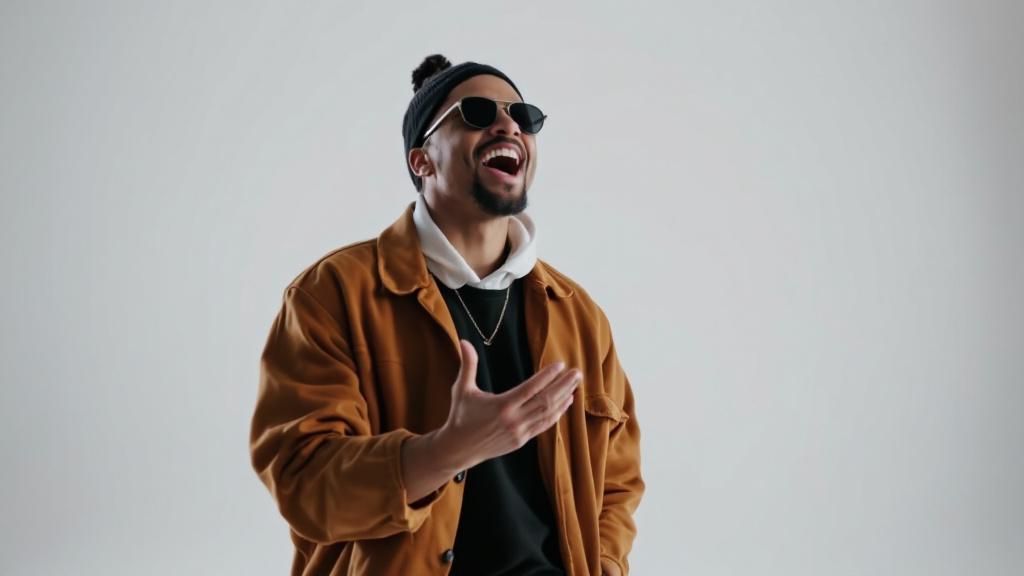
In an increasingly digital environment, social media has substantially altered how audiences discover, consume, and engage with music. A celebrated musician recently shared candid insights into this major upheaval, investigating how platforms like TikTok, Instagram, and YouTube have revolutionised the entertainment industry. From democratising artist discovery to challenging traditional record label models, social media’s influence is undeniable. This article explores the opportunities and challenges facing modern musicians, investigating how they’re adjusting their methods to succeed in an era where trending clips can launch careers overnight.
The Rise of Direct Fan Engagement
Social media has profoundly reshaped the connection between artists and fans, eliminating traditional intermediaries that once controlled artist-fan communication. Platforms such as Instagram, TikTok, and Twitter now permit creators to distribute their creative journey, individual perspectives, and upcoming work to enormous fanbases without delay. This extraordinary transparency has cultivated more meaningful bonds between artists and their supporters, turning inactive consumers into involved advocates who feel truly committed to an performer’s creative path and professional development.
The effects of this direct engagement are profound and multifaceted. Artists can now gather real-time feedback on fresh work, validate approaches with their audience before official releases, and cultivate loyal communities that provide invaluable support throughout their careers. Furthermore, this democratisation of communication has enabled new artists to establish significant audiences independently, avoiding industry gatekeepers that conventionally shaped the entertainment industry. Consequently, the traditional power dynamics between major labels and creators have shifted considerably, opening fresh avenues for artistic independence and economic self-sufficiency.
Drawbacks of Constant Connectivity
Whilst social media has certainly opened doors for emerging artists, the unending requirement for constant content creation presents substantial difficulties. Artists now find themselves compelled to uphold an near-constant online presence, crafting engaging content across platforms to maintain audience engagement and algorithmic favour. This pressure draws away crucial time and energy from genuine artistic work, risking damage to the standard of musical production. Furthermore, the demand for constant accessibility can exact a significant cost on mental health, as musicians struggle against public scrutiny, hostile remarks, and the anxiety of maintaining relevance in an ever more crowded virtual landscape.
The algorithm-driven nature of social media platforms generates further challenges for artists pursuing sustainable careers. Success is no longer based exclusively on creative ability or artistic quality; instead, it depends heavily upon grasping how platforms work, when to post content, and what’s trending. This lack of predictability means that even highly skilled artists can find it difficult to build momentum, whilst others achieve viral success through novelty rather than genuine artistry. Moreover, the fleeting character of online engagement means that sustaining success requires constant reinvention, leaving musicians caught in an exhausting cycle of adaptation and performance that often feels disconnected from genuine artistic creation.
The Future of Musical Content and Digital Platforms
The evolution of the music industry appears fundamentally connected to the evolution of digital platforms. As AI and machine learning progressively develop, personalised music recommendations will become progressively more refined, fundamentally altering how audiences find new artists. Streaming services are investing heavily in algorithmic recommendation systems, which aims to expand creative access further whilst concurrently generating questions about artistic merit and financial feasibility. The musician highlighted that adaptability will be paramount for those pursuing sustained careers in this swiftly evolving landscape.
Rising technologies present both unprecedented opportunities and substantial difficulties for contemporary musicians. VR performance experiences, decentralised royalty platforms, and NFT assets represent emerging spaces that creators are commencing to examine on a trial basis. However, the sustainability of these advances is unclear, and many musicians express scepticism regarding their lasting prospects. The general agreement indicates that whilst experimentation is essential, preserving genuine engagement with listeners through established channels proves equally important for creating sustained professional success and fostering authentic audience commitment.
Looking ahead, thriving musicians will likely adopt combined approaches that utilise social media’s reach whilst upholding creative authenticity and creative control. The democratization of production tools means that independent producers now rival established studios, substantially reshaping industry structures. Nevertheless, the human touch—narrative craft, emotional depth, and real connection—cannot be duplicated by artificial systems. The musician determined that this balance between authenticity and innovation will ultimately define the coming generation of entertainment industry success.
